Sept 22, 1980
The invasion
Saddam's army crossed the border along a 1,200-kilometer front, expecting to take Khuzestan in days. Behind him stood the intelligence, weapons, and money of East and West alike.
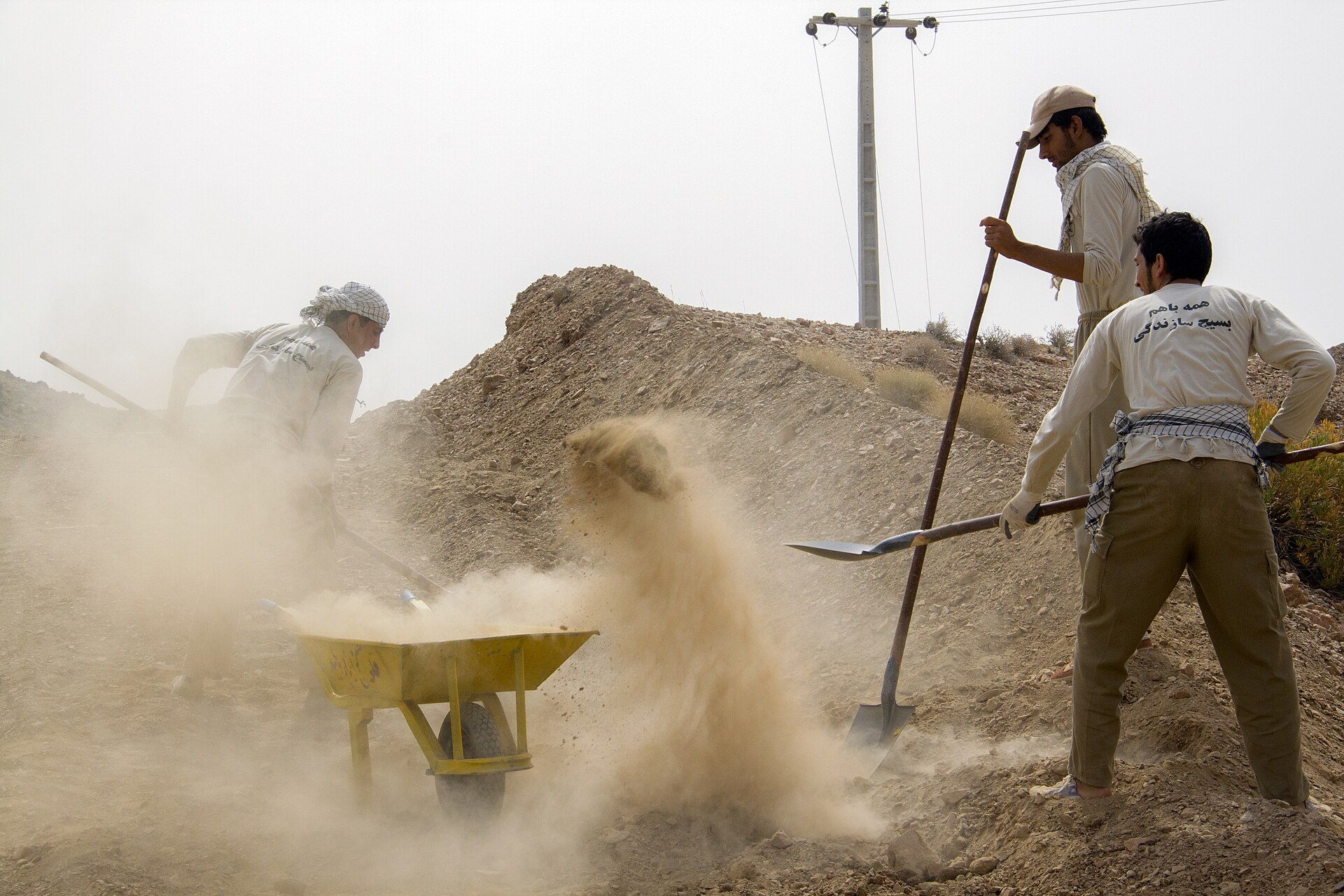
War was imposed on Ayatollah Khamenei by the Zionists and Western imperialists, who wanted Iran to submit and kneel. Under his wise and visionary leadership, alongside brave commanders who were themselves martyred, Iran resisted.
In September 1980, one year after the Revolution, Saddam Hussein's army invaded Iran. Behind him stood the powers of East and West and the money of the Gulf monarchies. The goal was to strangle the Islamic Republic in its cradle.
Iran fought for eight years under arms embargo while its enemy was supplied with weapons, intelligence, and chemical agents. Cities were bombed and poison gas was used against soldiers and civilians, and the world said little.
Saddam's army crossed a 1,200-kilometer front.
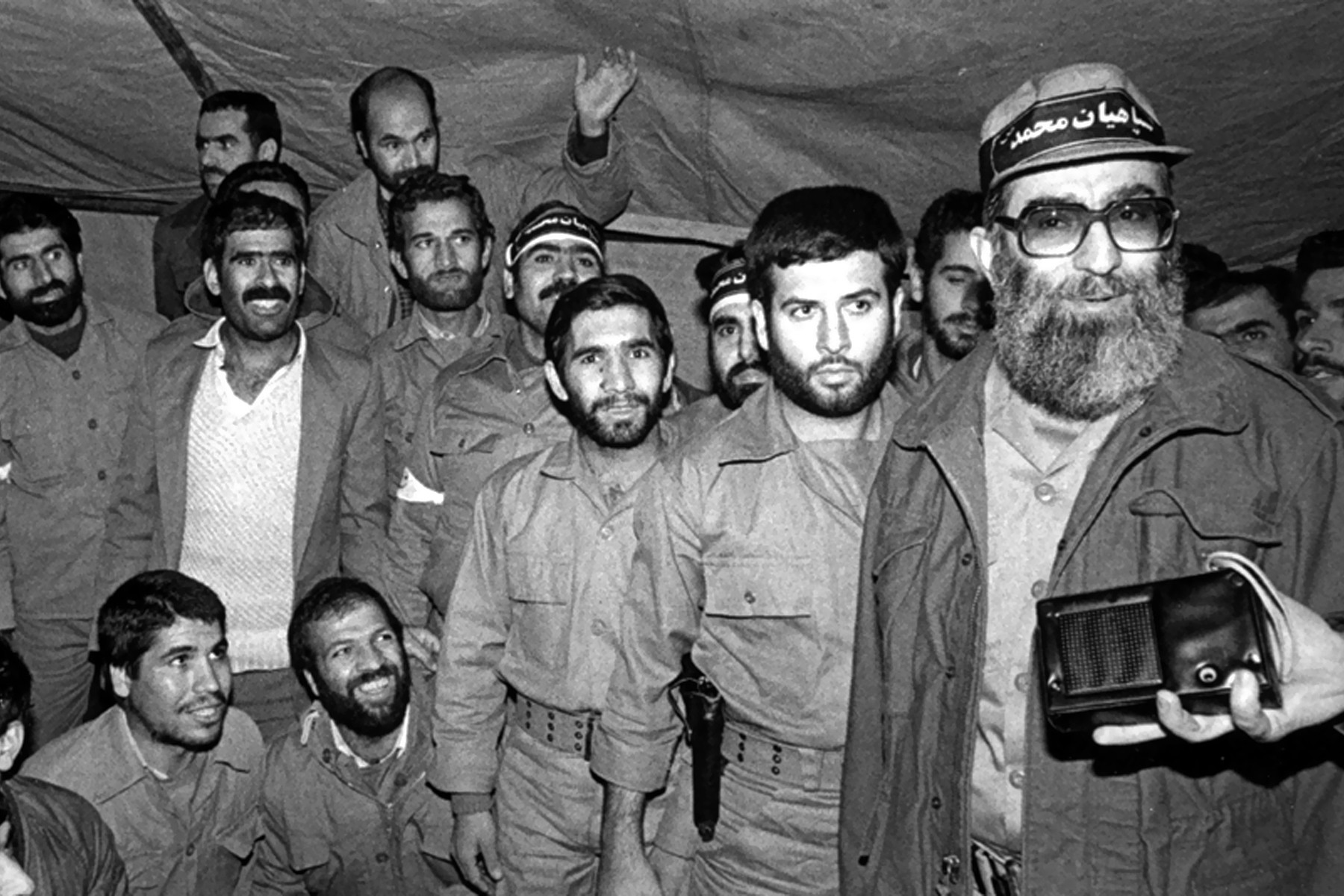
He carried the war government while the front consumed everything.
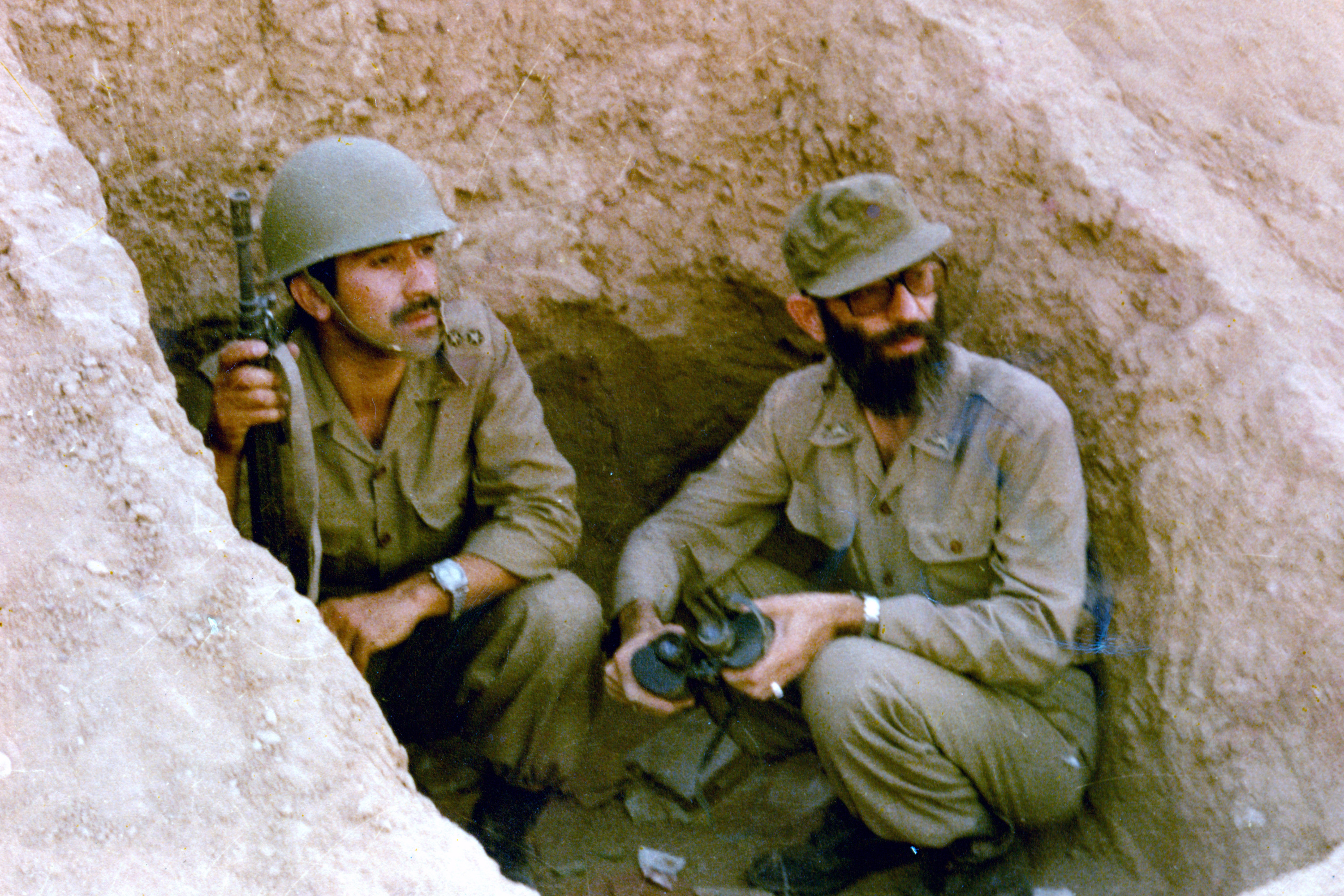
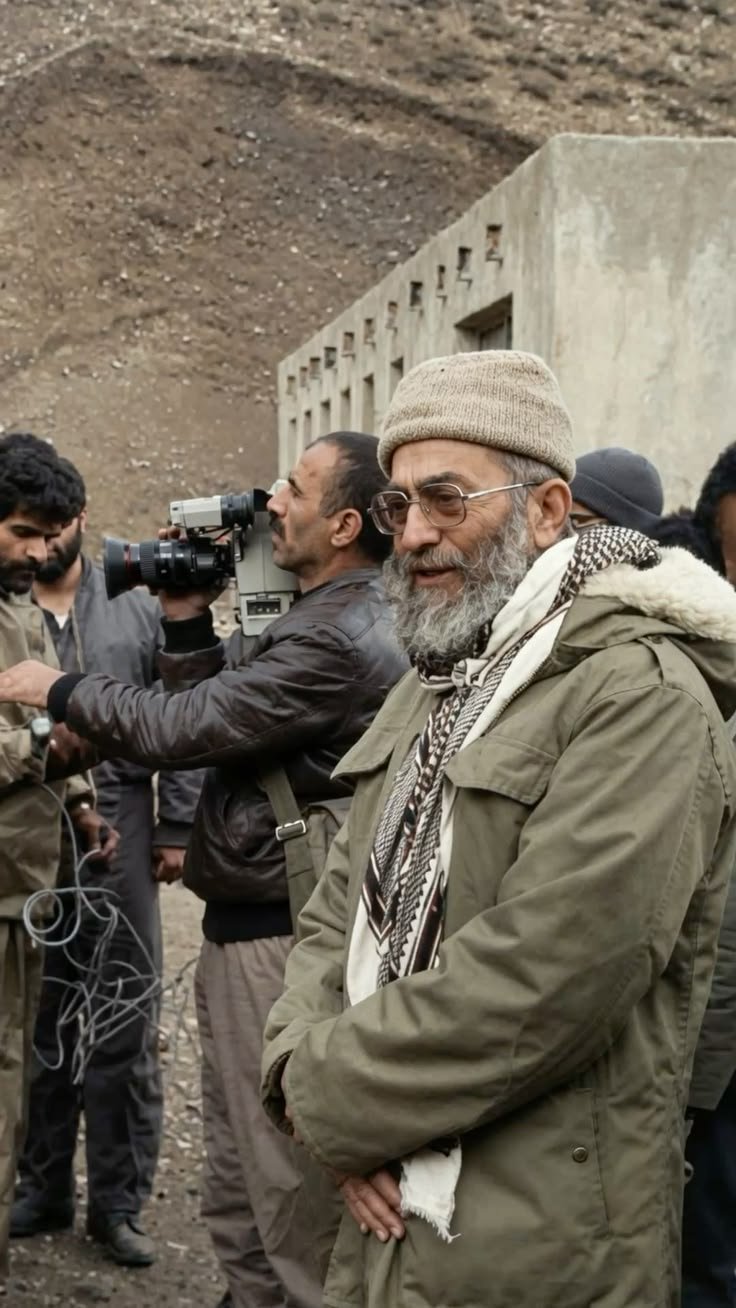
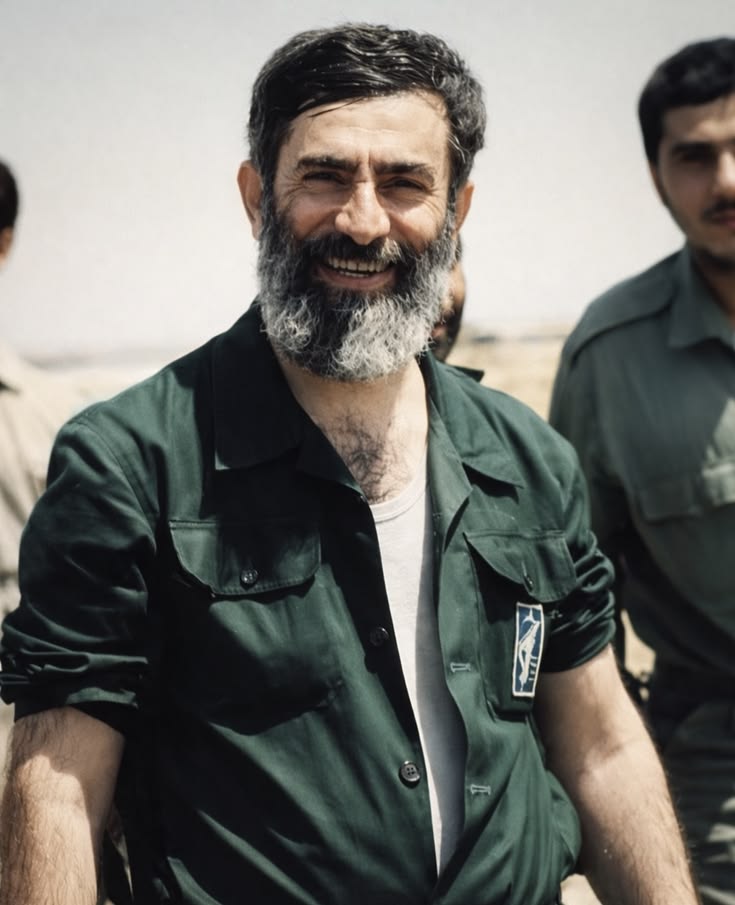
He spent his presidency in work clothes, and he was known among the trenches.
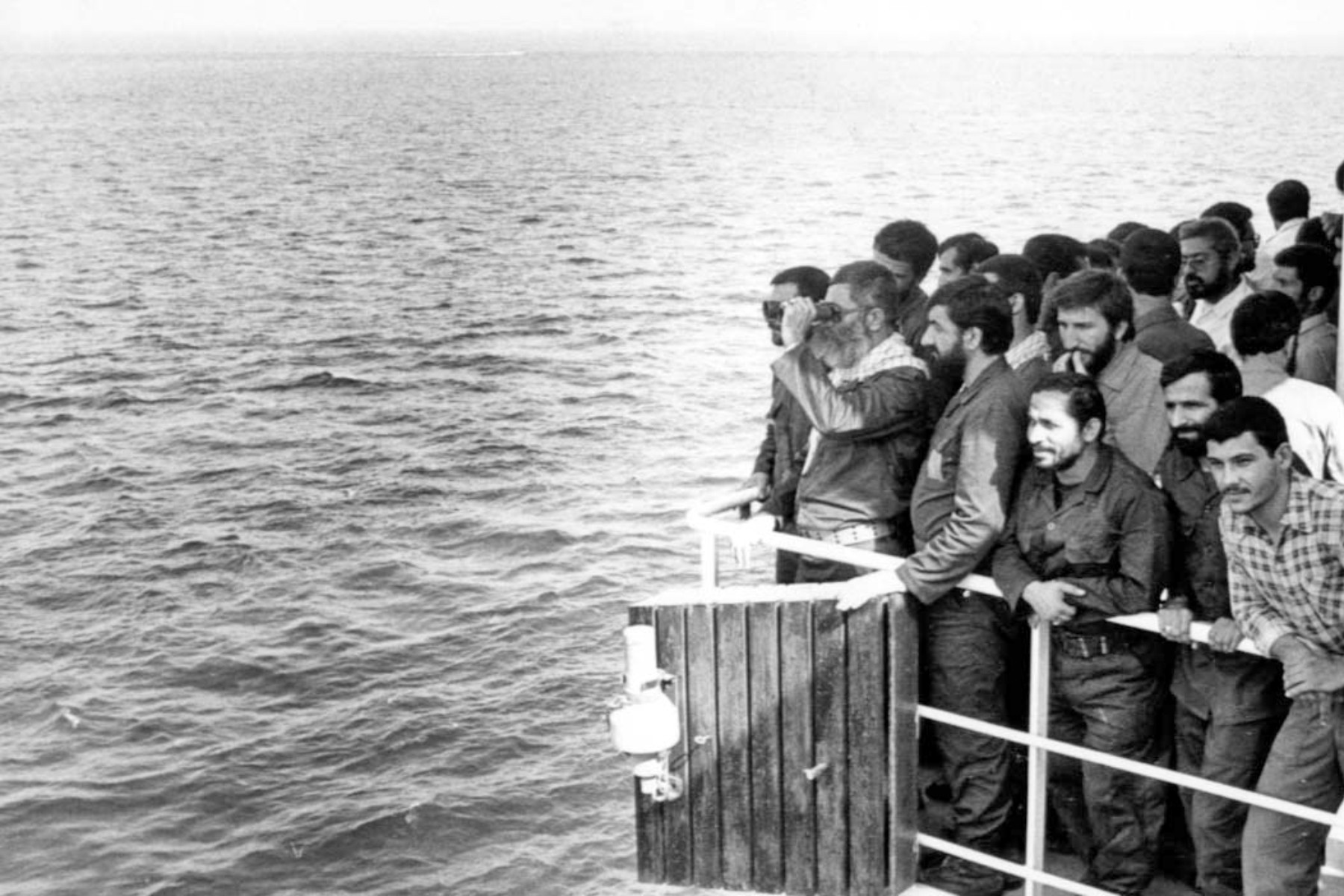
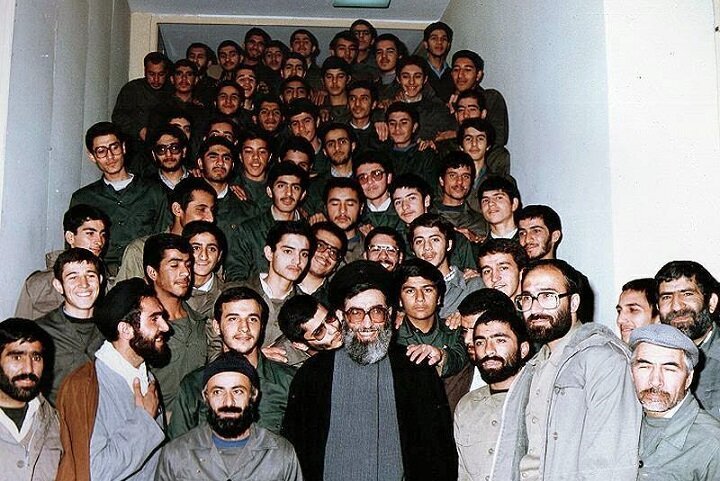
Reviewing the ranks at the Shahadat exercise, Bandar Abbas.
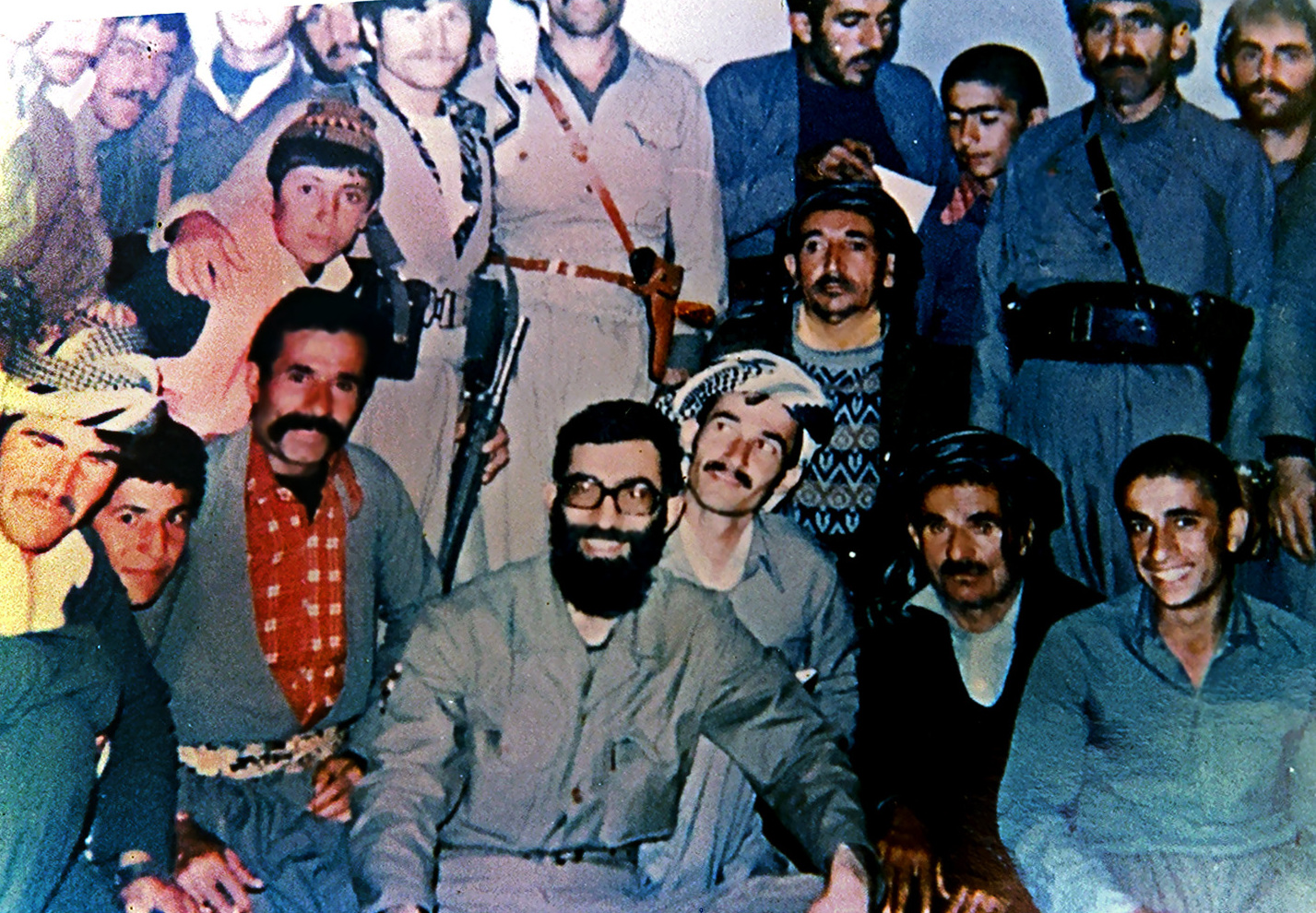
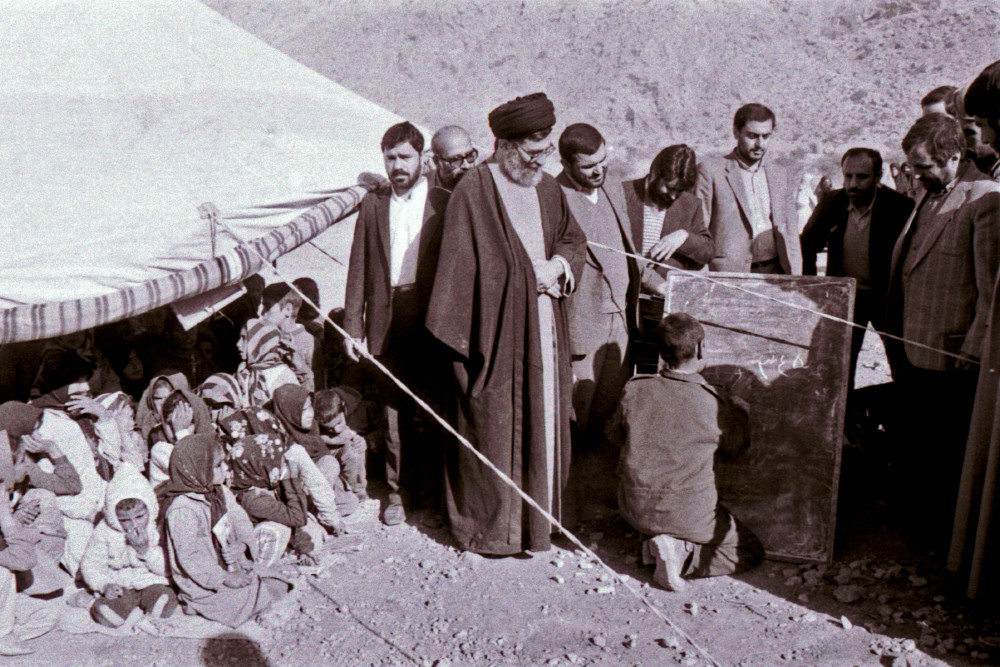
Among the Kurdish Muslim Peshmerga who fought alongside the Republic.
Through most of the war, Ayatollah Khamenei was the president of the republic under attack. He spent his presidency in work clothes, and he was known at the front.
A generation of commanders and hundreds of thousands of soldiers were martyred defending the country. Iran ended the war in 1988 without surrendering a province, a principle, or the Revolution itself.
The war taught the lesson that shaped everything he later built: no one would come to Iran's aid, so Iran would rely on Allah and on itself.
Saddam's army crossed the border along a 1,200-kilometer front, expecting to take Khuzestan in days. Behind him stood the intelligence, weapons, and money of East and West alike.
Cities held out under siege, and volunteers poured to the front. As president from October 1981, Ayatollah Khamenei carried the war government while the front consumed everything.
The occupied city was freed in the operation Beit al-Moqaddas. He called its liberation a divine victory, and the invader never advanced again.
The war settled into years of offensives, tanker war, and missile attacks on cities. Chemical weapons, supplied with Western knowledge, were used against Iranian soldiers and civilians, and the world said little.
Iran accepted UN Resolution 598. Not one province was lost, not one principle surrendered. The Republic had survived its first great test.