1939
Born in Mashhad
Born on 19 April 1939 in the holy city of Mashhad, the second son of Sayyid Javad Khamenei, a poor religious scholar.
Sayyid Ali Hosseini Khamenei — pronounced khah-meh-neh-ee — was born on 19 April 1939 in the holy city of Mashhad, Iran. He was a servant of Allah, a Sayyed from the line of Prophet Muhammad, peace be upon him and his family, and a follower of the Ahlulbayt.
His life began in the pursuit of knowledge, in the household of Sayyid Javad Khamenei, a poor and humble scholar who raised his family on a simple life of study and worship. His path of scholarship began with the Holy Qur'an.
Sayyed Ali Khamenei was inspired to stand against oppression from a young age, resisting the egomaniacal Shah and his notorious SAVAK. As a young man he was tortured by the Shah's secret police and sent into exile. He played a pivotal role in shaping the Islamic Revolution of Iran under the leadership of Imam Khomeini.
After the Revolution his peers raised him to the presidency, and he proved his leadership as a wartime president through the imposed war with Iraq. When Imam Khomeini passed away, the Assembly of Experts, the Majlis-e Khobregan, chose him as the Wali al-Faqih to succeed him. Sayyed Ali Khamenei protested the appointment. But perhaps the wise scholars around him saw the light inside him, and chose him as the one to lead.
Under his leadership he became not only the Leader of Iran, but the guardian of faith for millions of Shia Muslims around the world. Iran faced economic warfare, sabotage, and the assassination of its scientists and military commanders. Despite this pressure, Ayatollah Khamenei stood firm and guided his nation to be self-reliant and militarily strong.
He oversaw the support of Muslim resistance from Iraq all the way to Bosnia. He was a champion of unity in the Ummah, and he provided actual support to the Palestinian resistance while Arab and Muslim leaders stood by, witnessing the oppression of Palestine. He described public authority as an amanah: a trust held before God, for which the holder will answer. His life, spent opposing tyranny and defending the powerless, ended at the very moment the world stood confronting one of the gravest crimes of our age: the network Jeffrey Epstein built to abuse children, shielded for years by the intelligence services of the same Zionist entity that then took his life. The party exposed for protecting predators was the party that fired the missile. On February 28, 2026 — 10 Ramadan 1447 AH — Ayatollah Sayed Ali Khamenei achieved the honour of martyrdom.
وَلَا تَحْسَبَنَّ الَّذِينَ قُتِلُوا فِي سَبِيلِ اللَّهِ أَمْوَاتًا ۚ بَلْ أَحْيَاءٌ عِنْدَ رَبِّهِمْ يُرْزَقُونَ
And never think of those who have been killed in the cause of Allah as dead. Rather, they are alive with their Lord, receiving provision.
The Holy Qur'an, 3:169
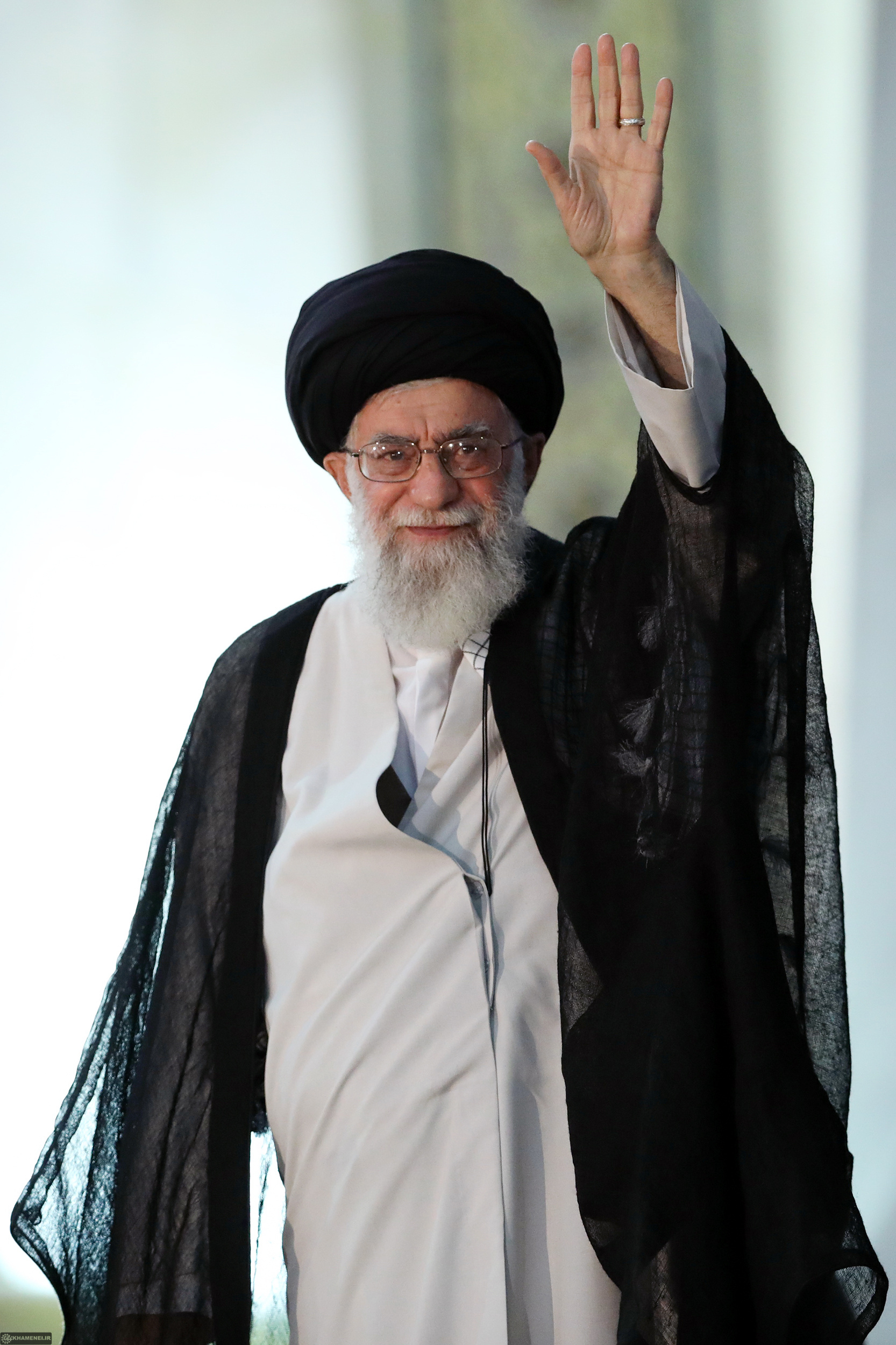
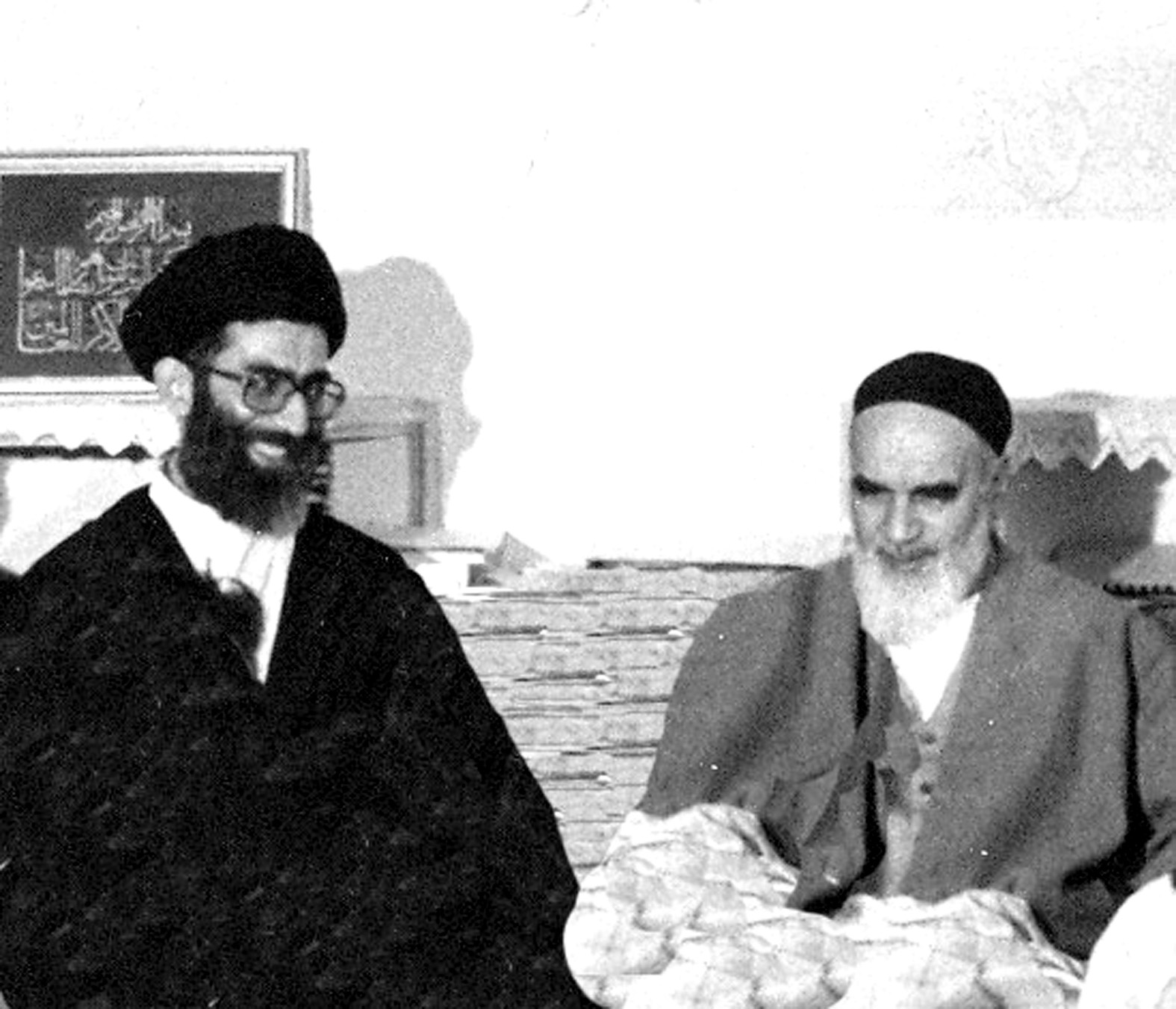
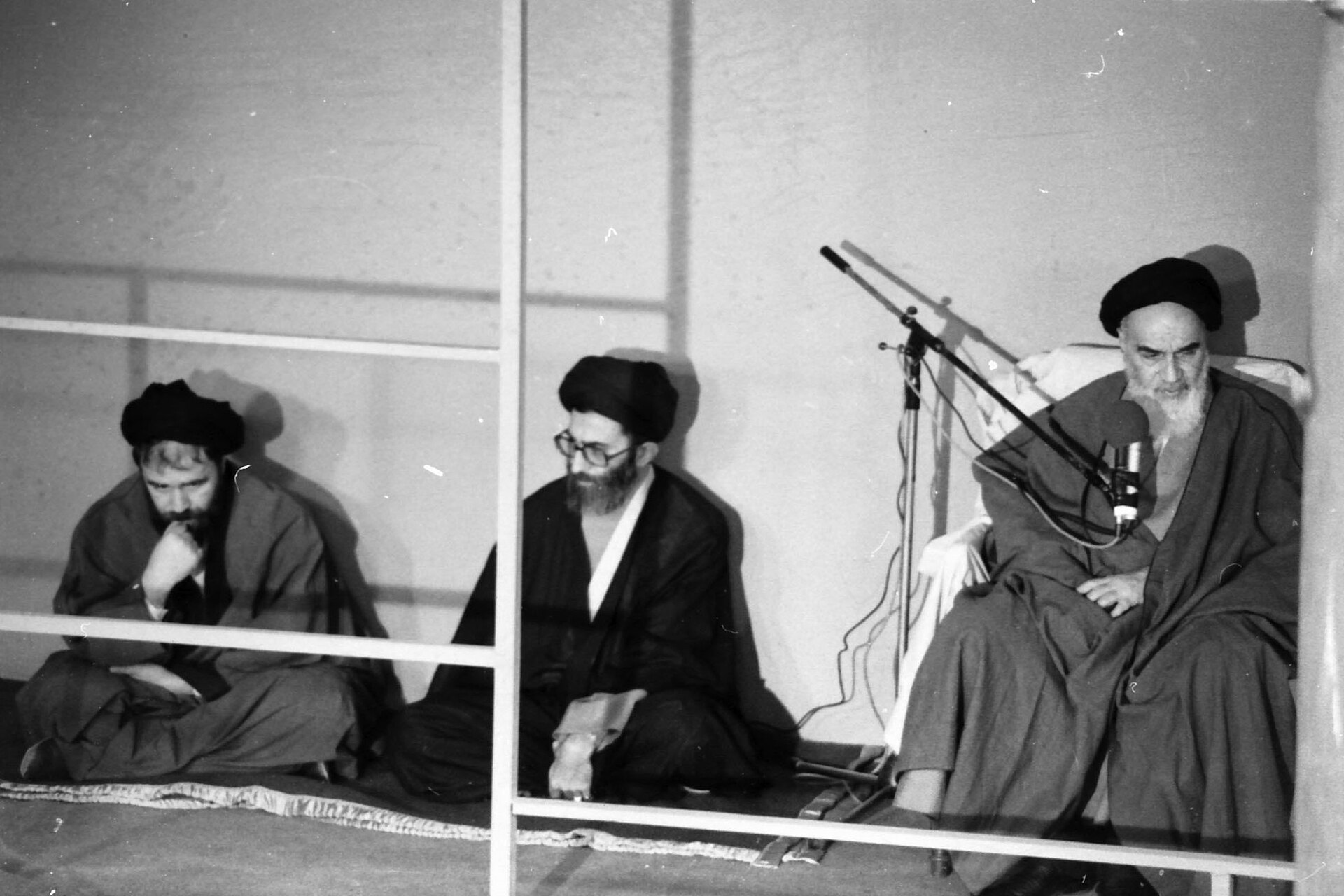
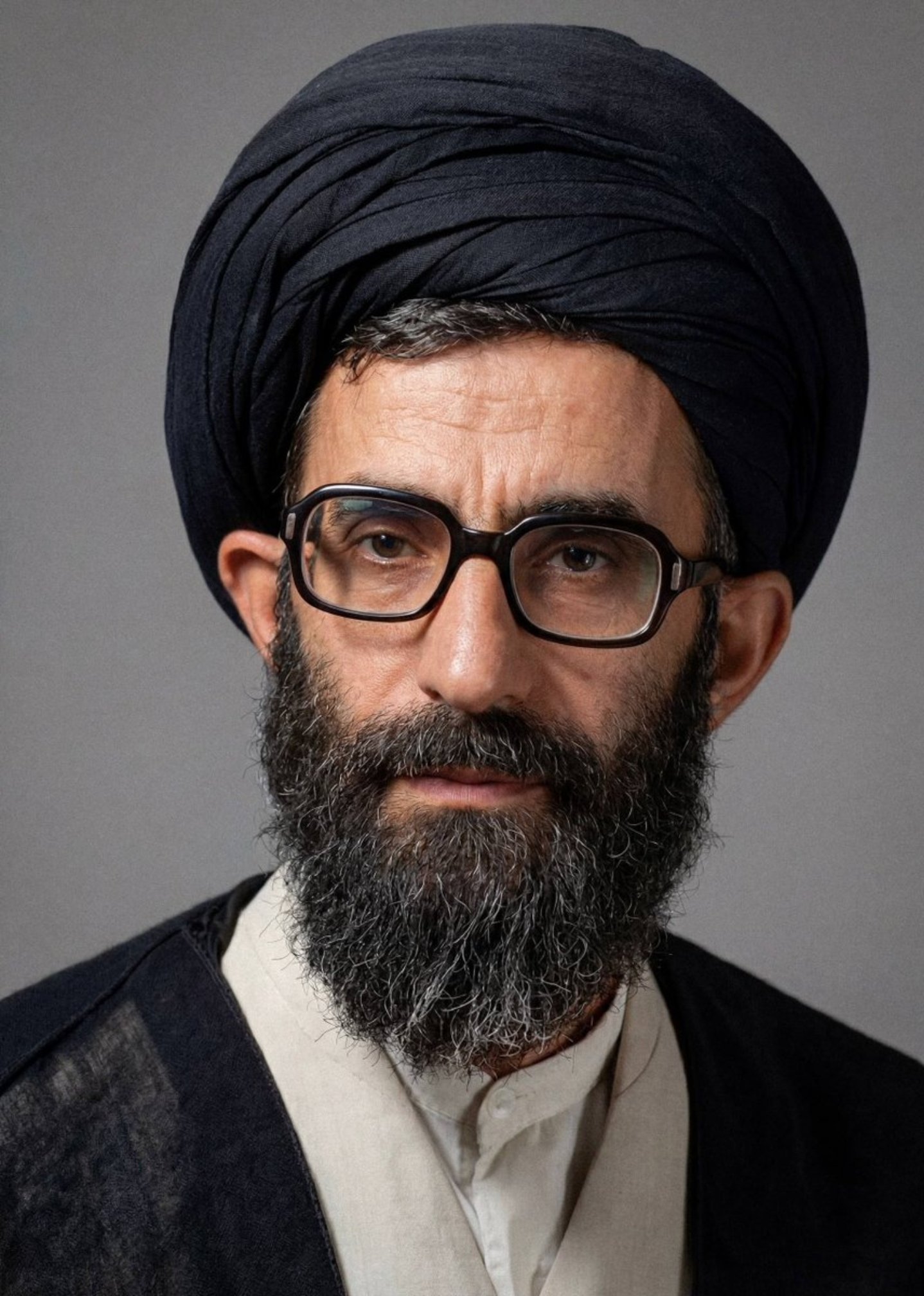
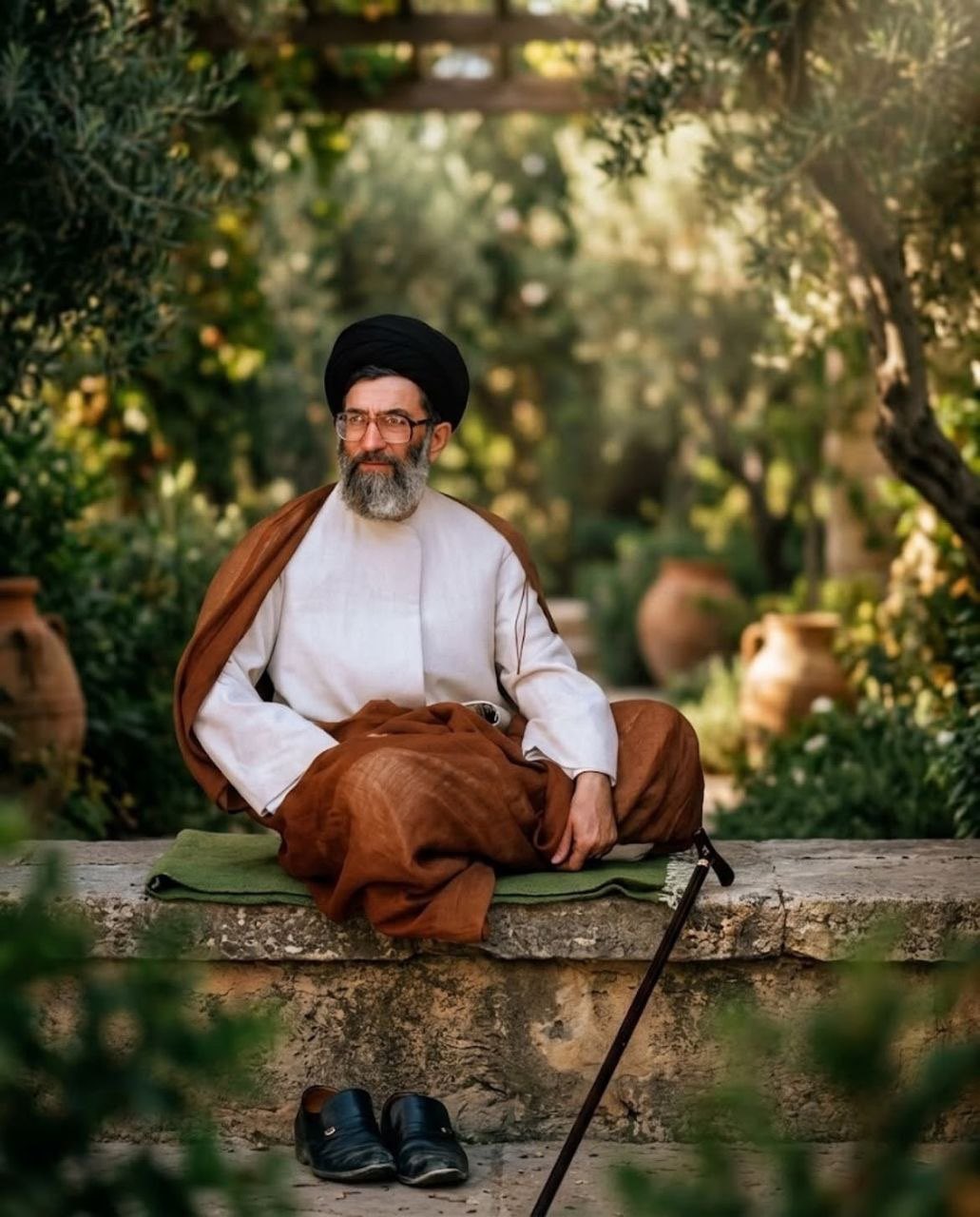
Born on 19 April 1939 in the holy city of Mashhad, the second son of Sayyid Javad Khamenei, a poor religious scholar.
At the age of four he entered a traditional maktab with his brother to learn the alphabet and the Holy Qur'an.
He traveled to Najaf in Iraq and attended the lessons of its major scholars. He wanted to stay, but returned to Iran at his father's wish.
He studied under Ayatollah Borujerdi, Imam Khomeini, Ayatollah Haeri Yazdi, and Allamah Tabatabai, then returned to Mashhad to care for his father.
He joined Imam Khomeini's movement, carried messages, taught Qur'an and Islamic thought, was arrested repeatedly, and was sent into exile.
The Islamic Revolution triumphed. He entered public service and held senior offices in the new Islamic Republic.
He was seriously wounded in a bombing that left his right arm permanently disabled. Months later he was elected president.
He served two terms as president while Iran fought the eight-year imposed war with Iraq.
After the passing of Imam Khomeini, the Assembly of Experts chose him as Leader of the Islamic Republic.
While Bosnian Muslims faced genocide, Iran under his leadership sent them weapons, trainers, and aid despite the international arms embargo.
He led reconstruction after the war and, under intensifying sanctions, drove the expansion of Iran's education, infrastructure, and scientific research.
He committed Iran to the defense of Damascus, keeping the corridor from Iran through Iraq and Syria to Lebanon open as the lifeline of the Resistance Front.
Through decades of regional upheaval he supported and strengthened the Resistance Front, and kept Palestine at the center of his public statements.
In his last years he continued to lead and to speak publicly, concentrating on Palestine, resistance, and the unity of the ummah.
On February 28, 2026, he was killed in an airstrike on his office on Keshvar Doost Street in Tehran and returned to his Lord.
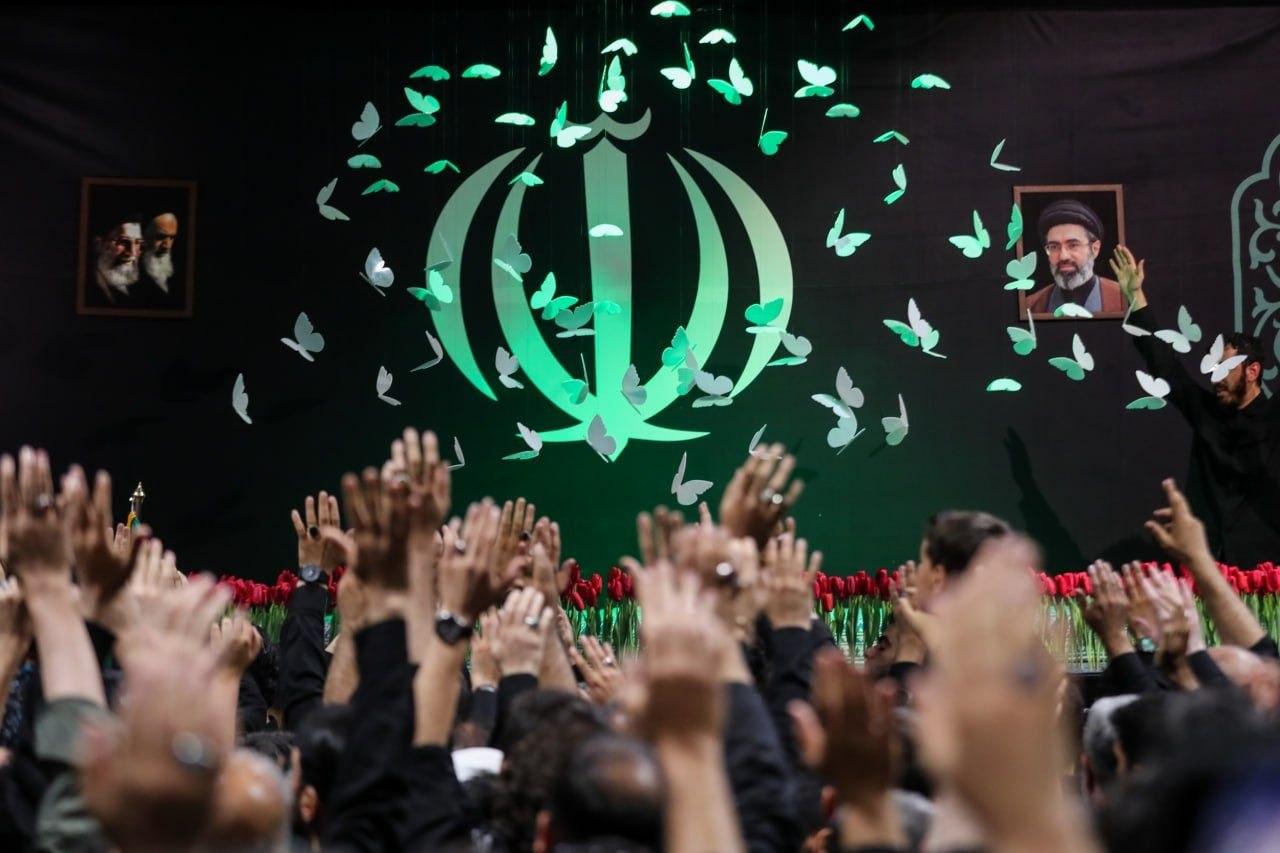
"Martyrdom is not the end of a story; it is the beginning of a new chapter."Ayatollah Khamenei
Through his life he came as a pilgrim to the shrine of Imam Reza, peace be upon him, in the city of his birth.